


In today’s harlequin world of fashion, everyone seems to be throwing around words like ethical, sustainable, and fair trade as if they’re just trendy buzzwords. But how can you actually tell whether the clothes you’re buying are genuinely fair trade—or whether you’re just being hoodwinked by clever marketing campaigns?
The answer lies in learning how to read the labels—literally.
This guide is designed to help you understand what fair trade truly means, what to look for on clothing labels, and how to confidently choose clothes that support fair wages, empower workers, and leave a smaller environmental footprint.
What Is Fair Trade in Fashion?
Fair trade fashion goes beyond simply using organic cotton or reducing waste in production. It means viewing the entire supply chain through an ethical lens and ensuring that human rights and environmental standards are respected at every stage.
True fair trade fashion ensures:
-
Fair wages for workers
-
Safe and healthy working conditions
-
No child labor or forced labor
-
Environmental sustainability in farming and manufacturing
When you buy fair trade clothing, you’re not just getting a great product—you’re supporting the dignity, rights, and well-being of the people who made it.
Why It’s So Important to See Through Bogus Claims
As sustainability becomes a major selling point in the fashion industry, brands know that customers want to feel good about what they buy. Unfortunately, this has led to a rise in greenwashing—a practice where companies make false or exaggerated claims to appear more ethical or eco-friendly than they really are.
If you’ve ever seen vague statements like:
-
“Ethically made”
-
“Environmentally conscious”
-
“Responsibly sourced”
—without any third-party certifications or proof to back them up, you’ve witnessed greenwashing firsthand.
How to Spot Authentic Fair Trade Labels
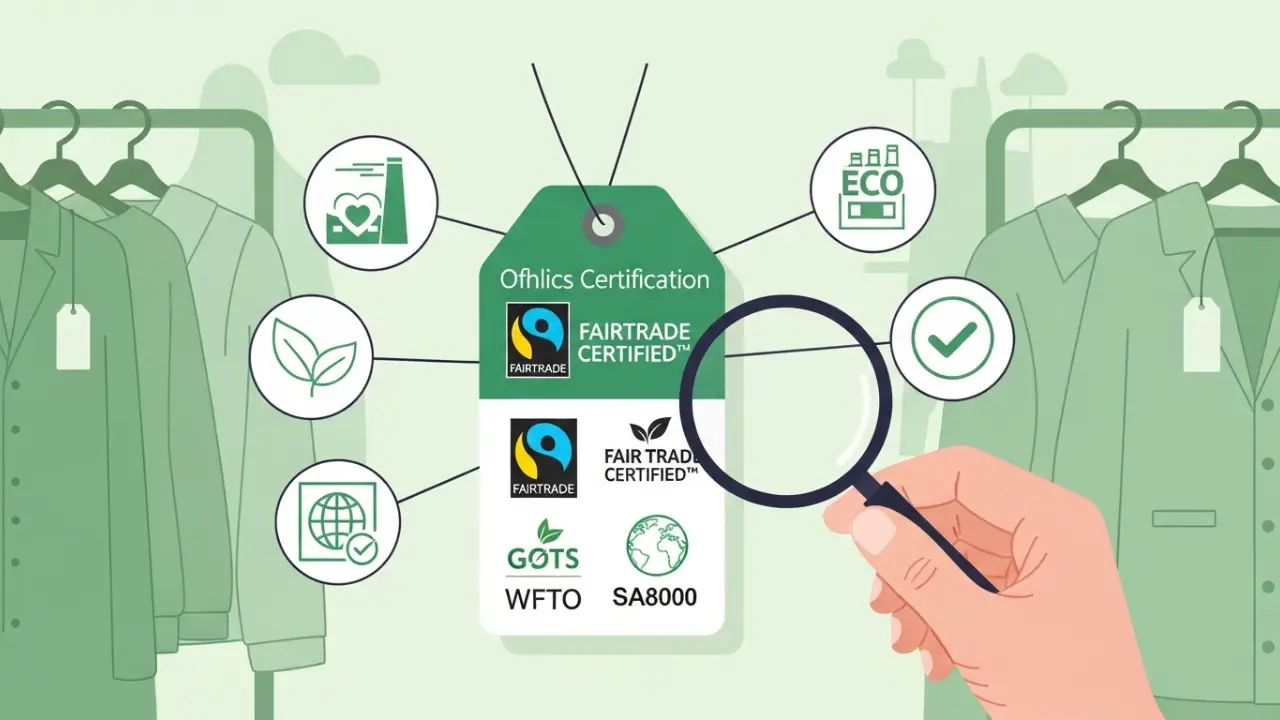
To avoid being misled, it’s essential to understand and look for verifiable, third-party fair trade certifications. These labels confirm that the clothing meets strict social, environmental, and economic criteria. When shopping, check for certifications such as:
-
Fairtrade International (FLO)
-
World Fair Trade Organization (WFTO)
-
Fair Trade Certified™ by Fair Trade USA
-
GOTS (Global Organic Textile Standard) – includes fair labor practices
-
SA8000 – ensures social accountability standards in production
Brands that truly support fair trade will proudly display these certifications and provide transparency on how their products are sourced and made.
Recognized Fair Trade Clothing Certifications You Can Trust
| Certification Name | Certifying Body | Key Focus | Common on |
|---|---|---|---|
| Fairtrade International (FLO) | Fairtrade Labelling Organizations | Fair wages, working conditions, empowerment | Cotton, garments, accessories |
| Fair Trade Certified™ | Fair Trade USA | Factory audits, social premiums | Apparel, outdoor wear |
| GOTS (Global Organic Textile Standard) | GOTS | Organic fibers, fair labor, no toxic dyes | Cotton clothing, sleepwear |
| World Fair Trade Organization (WFTO) | WFTO | Full supply chain fair trade commitment | Artisan clothing, small brands |
| SA8000 | Social Accountability International | Worker rights, health & safety | Factory-made apparel |
| B Corp Certification | B Lab | Social & environmental performance | Sustainable fashion brands |
| OEKO-TEX® MADE IN GREEN | OEKO-TEX | Safety from harmful substances & traceability | Innerwear, baby clothes |
| Bluesign® | Bluesign Technologies | Chemical safety & cleaner production | Sportswear, technical fabrics |
How to Identify Authentic Fair Trade Fashion Labels
In today’s fashion landscape, words like ethical, sustainable, and fair trade are everywhere. But when marketing starts sounding too good to be true, how do you separate fact from fiction?
The answer lies in label literacy—knowing exactly what to look for when you shop. This guide helps you navigate the world of fair trade in fashion, identify credible certifications, and avoid misleading greenwashing tactics.
What Is Fair Trade in Fashion?
Fair trade in fashion means more than just using organic cotton or reducing waste. It’s about ethical responsibility across the entire supply chain. This includes:
-
Fair wages for workers
-
Safe and healthy working conditions
-
Prohibition of child or forced labor
-
A commitment to environmental sustainability
Fair trade clothing supports both people and the planet. It ensures that every person involved in the making of your shirt, jeans, or jacket was treated with fairness and dignity.
Why Spotting Fake Claims Matters
As sustainability becomes a key selling point, some brands use vague, feel-good terms to appeal to conscious shoppers. This is known as greenwashing—the act of misleading consumers into believing that a product is more ethical or eco-friendly than it really is.
You’ve likely encountered it if you’ve seen phrases like:
-
“Ethically made”
-
“Environmentally conscious”
-
“Responsibly sourced”
…without any third-party certifications to back them up.
To truly support ethical fashion, you need to know the difference between marketing and genuine accountability.
Aspects of an Authentic Fair Trade Label
Not sure how to tell a real label from a fake one? Here are key features to look out for:
Third-Party Certifier Name
Legitimate certifications will list a certifier, such as Fairtrade, GOTS, or WFTO.
Standardized Logo
Authentic labels have a recognizable, consistent logo—often with a certification ID number.
Product Placement
The label usually appears on the inner tag or swing label attached to the product.
Traceability
Some labels include a QR code or certification ID that can be verified on the certifier’s official website.
If a brand makes claims without showing certifications or proof, that’s a red flag.
Red Flags: How to Spot Greenwashing
Be cautious when you see vague or unverified claims. Here are signs you’re encountering greenwashing:
-
Buzzwords without substance: Terms like eco, green, or ethical with no verification.
-
Homemade appearance: Logos or graphics that mimic certification but aren’t officially recognized.
-
No license or certification ID: Authentic labels always provide an ID or traceable number.
-
Prices that seem too good to be true: Fair trade products cost more because ethical practices cost more.
-
No supply chain transparency: If a brand’s website doesn’t provide any detail about how or where their products are made, be skeptical.
How to Verify a Fair Trade Label
You don’t need to be an expert to make informed choices. Here are quick and reliable ways to verify if a label is legit:
-
Check the certifier’s website
Use public directories like Fairtrade.net or the GOTS certification database. -
Verify the label number
Cross-check it with the certifier’s official list. -
Scan QR codes
Some garments include QR codes that reveal details about the supply chain. -
Ask the brand directly
Ethical brands are proud to share their certification details—they won’t hesitate. -
Use third-party tools
Apps like Good On You or Ethical Consumer can help you confirm brand claims and practices.
Why This Knowledge Empowers You
You don’t need a degree in fashion ethics to shop more responsibly. A bit of label awareness goes a long way. Once you understand what to look for, you can:
-
Buy better: Studies show more people are shifting toward sustainable purchases.
-
Support fair labor practices: Your money directly impacts workers’ conditions.
-
Avoid falling for marketing hype: You’ll know what’s real and what’s just spin.
-
Encourage transparency: Ethical brands respond to informed consumers.
Recognized Fair Trade Clothing Certifications You Can Trust
| Certification Name | Certifying Body | Key Focus | Common on |
|---|---|---|---|
| Fairtrade International (FLO) | Fairtrade Labelling Organizations | Fair wages, working conditions, empowerment | Cotton, garments, accessories |
| Fair Trade Certified™ | Fair Trade USA | Factory audits, social premiums | Apparel, outdoor wear |
| GOTS (Global Organic Textile Standard) | GOTS | Organic fibers, fair labor, no toxic dyes | Cotton clothing, sleepwear |
| World Fair Trade Organization (WFTO) | WFTO | Full supply chain fair trade commitment | Artisan clothing, small brands |
| SA8000 | Social Accountability International | Worker rights, health & safety | Factory-made apparel |
| B Corp Certification | B Lab | Social & environmental performance | Sustainable fashion brands |
| OEKO-TEX® MADE IN GREEN | OEKO-TEX | Safety from harmful substances & traceability | Innerwear, baby clothes |
| Bluesign® | Bluesign Technologies | Chemical safety & cleaner production | Sportswear, technical fabrics |
How to Identify an Authentic Fair Trade Label
All legitimate fair trade certifications are backed by stringent auditing processes, clear disclosure regulations, and a public index where you can verify whether a brand is truly certified.
Key Characteristics of a Real Fair Trade Label
Not sure how to distinguish a good label from a fake one? Look for these essential features:
-
Third-Party Certifier Name: Reputable certifiers include WFTO, GOTS, and Fairtrade International.
-
Uniform, Recognizable Logo: The label will be consistent across products and often includes a certification ID number.
-
Product Placement: Authentic certifications are usually printed on the inner tag or swing label of the garment.
-
Traceability: Some labels include a QR code or certification ID that you can verify through the certifier’s website.
If a brand claims something but does not show or explain its certification, that’s a red flag.
Red Flags to Watch Out For
Say you find a shirt labeled eco-friendly or ethically made, but there’s no logo, license number, or clear explanation. You may be facing greenwashing. Watch for these warning signs:
-
Mixed Terminology: Words like eco, green, or ethical are used with no supporting evidence or definition.
-
Homemade-Looking Logos: Logos that mimic official certifications but lack authenticity or traceability.
-
No License Number: Genuine labels will include a certification ID you can check.
-
Unrealistically Low Prices: Ethical fashion comes with higher production costs. Ultra-cheap prices are a red flag.
-
Lack of Online Transparency: If a brand’s website doesn’t say where or how their clothes are made, be cautious.
How to Verify Label Authenticity
Thankfully, real certifiers make it easy to check credentials. Here’s how:
-
Visit the Certifier’s Website
Go to public directories like Fairtrade.net or GOTS’s official database to verify listed brands. -
Check the Certification Number
Compare the label number on the garment to those listed in the certifier’s database. -
Scan QR Codes
Some garments include QR codes with full supply chain information. -
Ask the Brand Directly
Ethical brands are transparent and proud to share their certifications. -
Use Third-Party Tools
Apps like Good On You and Ethical Consumer provide ratings and verification for fashion brands.
Real-Life Example: Spotting the Difference
Imagine two brands claim their products are fair trade:
-
Brand A says its clothes are “fairly made” but provides no certifier name or factory details.
-
Brand B displays a Fair Trade Certified™ logo with a license number and sourcing transparency.
Brand B is the clear winner. Without third-party verification, Brand A’s claim cannot be trusted.
Why This Matters: Empowering You as a Consumer
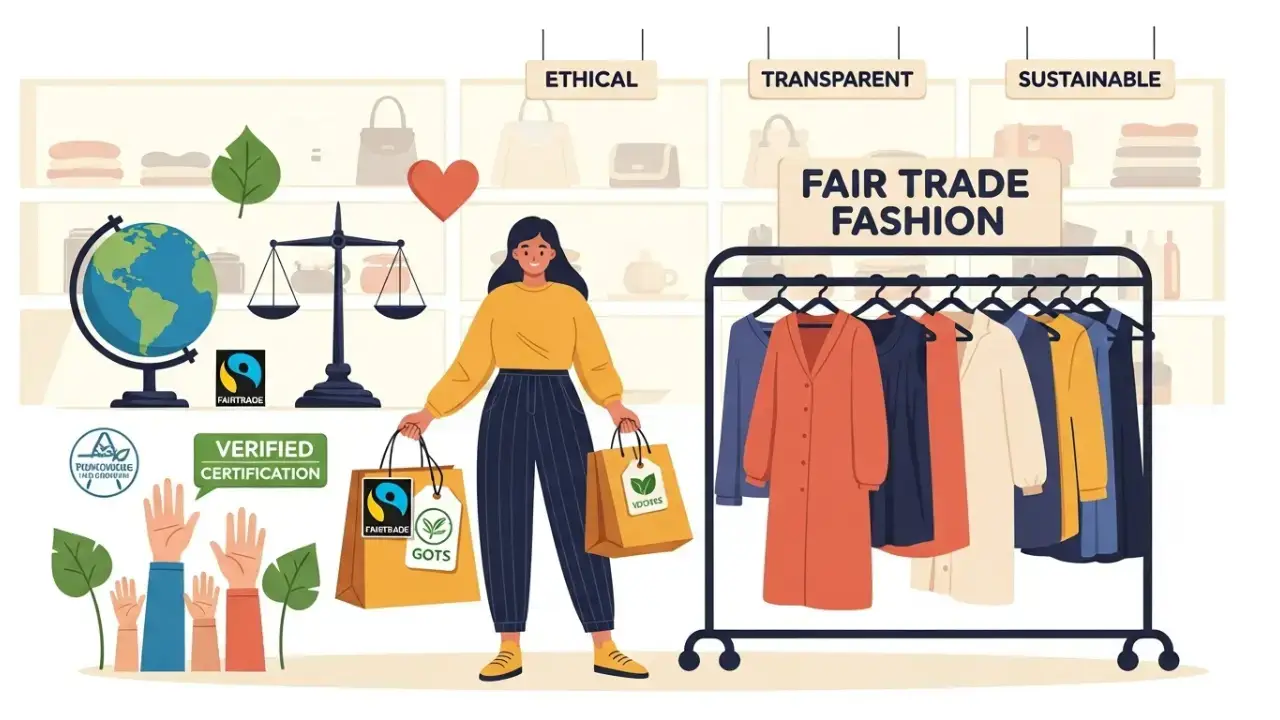
You don’t need to be a fashion expert to shop ethically. A little knowledge goes a long way. Once you know what to look for, you can:
-
Make more responsible purchasing decisions
-
Support safe and fair working conditions
-
Avoid falling for misleading marketing
-
Encourage brands to become genuinely transparent
Fair trade shopping isn’t just a trend. It’s a vote for justice, sustainability, and human dignity.
Dive Deep: Study of Brands and Tools You Can Utilize
Now that you know what to look for on labels, the next step is to dig a little deeper. With the help of online directories, rating systems, and digital tools, ethical shoppers can make informed, confident purchasing decisions.
Below are some reliable resources and tools that will help you verify brands and trace products with ease:
1. Certifier Databases
Use these official certifier websites to check certification numbers, verify brand compliance, and discover certified suppliers.
-
Fairtrade International
https://www.fairtrade.net -
GOTS (Global Organic Textile Standard) Public Database
https://global-standard.org -
World Fair Trade Organization (WFTO) Member Directory
https://wfto.com
These platforms are the first stop for anyone wanting to confirm if a brand truly walks the fair trade talk.
2. Ethical Fashion Rating Bodies
These platforms evaluate brands using transparent criteria such as labor practices, environmental impact, and animal welfare.
-
Good On You
Offers brand ratings based on their environmental, labor, and animal welfare policies. -
Ethical Consumer
Breaks down ethical scores across multiple categories for each brand. -
Remake
Publishes report cards on major fashion labels and promotes sustainable fashion education.
https://remake.world
These tools are easy to use and great for quickly assessing whether a brand aligns with your values.
3. Digital Labels and Blockchain
Forward-thinking brands are now adopting blockchain technology to deliver full transparency in the supply chain. Many products now feature:
-
QR Codes on Labels: When scanned, they take you to a page that reveals how and where your clothing was made, and sometimes even by whom.
This innovation is transforming the fashion industry. As tech-driven traceability becomes the norm, more brands should be encouraged to adopt these methods to build trust with conscious consumers.
Trusted Fair Trade Clothing Brands to Try
| Brand Name | Certifications Held | Type of Products |
| People Tree | WFTO, GOTS | Casual wear, dresses |
| Patagonia | Fair Trade Certified™, B Corp | Outdoor wear, basics |
| Thought Clothing | GOTS, OEKO-TEX | Knitwear, loungewear |
| Nudie Jeans | Fair Wear Foundation, GOTS | Jeans, outerwear |
| Pact | Fair Trade USA, GOTS | Basics, underwear |
| Mata Traders | WFTO | Dresses, artisan wear |
Building a More Aware Wardrobe
These tools and resources are some of the most trustworthy starting points for developing an informed, ethical wardrobe. They help turn intention into action—and shopping into a force for good.
The Future of Fair Trade Labels
The path forward for fair trade labeling is promising, as consumer awareness grows and governments begin to regulate more strictly. Here’s what the future holds:
1. Stronger Legislation
The EU and several U.S. states are introducing stricter laws against greenwashing, pushing brands toward genuine transparency.
2. Global Standardization
We’re moving toward universally recognized fair trade criteria, helping eliminate confusion and inconsistency across certifications.
3. Tech Integration
Emerging technologies—like smart tags, precision chips, and AI-driven tools—are making it easier than ever to verify a product’s ethical claims in real time.
In the near future, brands that are not transparent may face pressure to prove their sustainability efforts or risk losing consumer trust.
Summary: Conscious Shopping, Real Impact
Conscious shopping doesn’t demand perfection—it asks for progress. Every better decision you make counts.
Each fair trade garment you buy supports:
-
Ethical labor practices
-
Fair incomes for workers
-
Environmentally responsible production
Fair trade labels are more than logos. They represent transparency, human dignity, and respect for the planet. Learning to identify real certifications gives you the power to reject greenwashing and support the true change-makers.
Fair trade fashion isn’t just a trend—it’s a movement toward a kinder, more responsible future.
Refrences
-
Fairtrade International. Your guide to Fairtrade labeling.
-
Ethical Consumer. A quick guide to fair trade fashion.
-
Fair Trade Winds. Guide to Fair Trade Labels.
-
Greenly Earth. 5 Tips to Recognize and Buy Ethical Clothing Brands.
-
The Good Loop. 10 Certifications to Identify Ethical Fashion Brands.